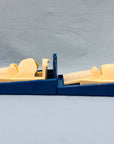
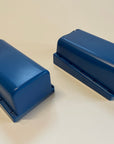
High Repetition Task Trainer for Cricothyrotomy
– Designed by "Airway Enthusiast" Rich Levitan, MD –
"It is fantastic! It really ups the game on training!"
– Scott Weingart, EMCRIT.org
"I just know that this a great model to get practice on."
– Anand Swaminathan, EMRAP Managing Editor
Small. Portable. Robust. Inexpensive.
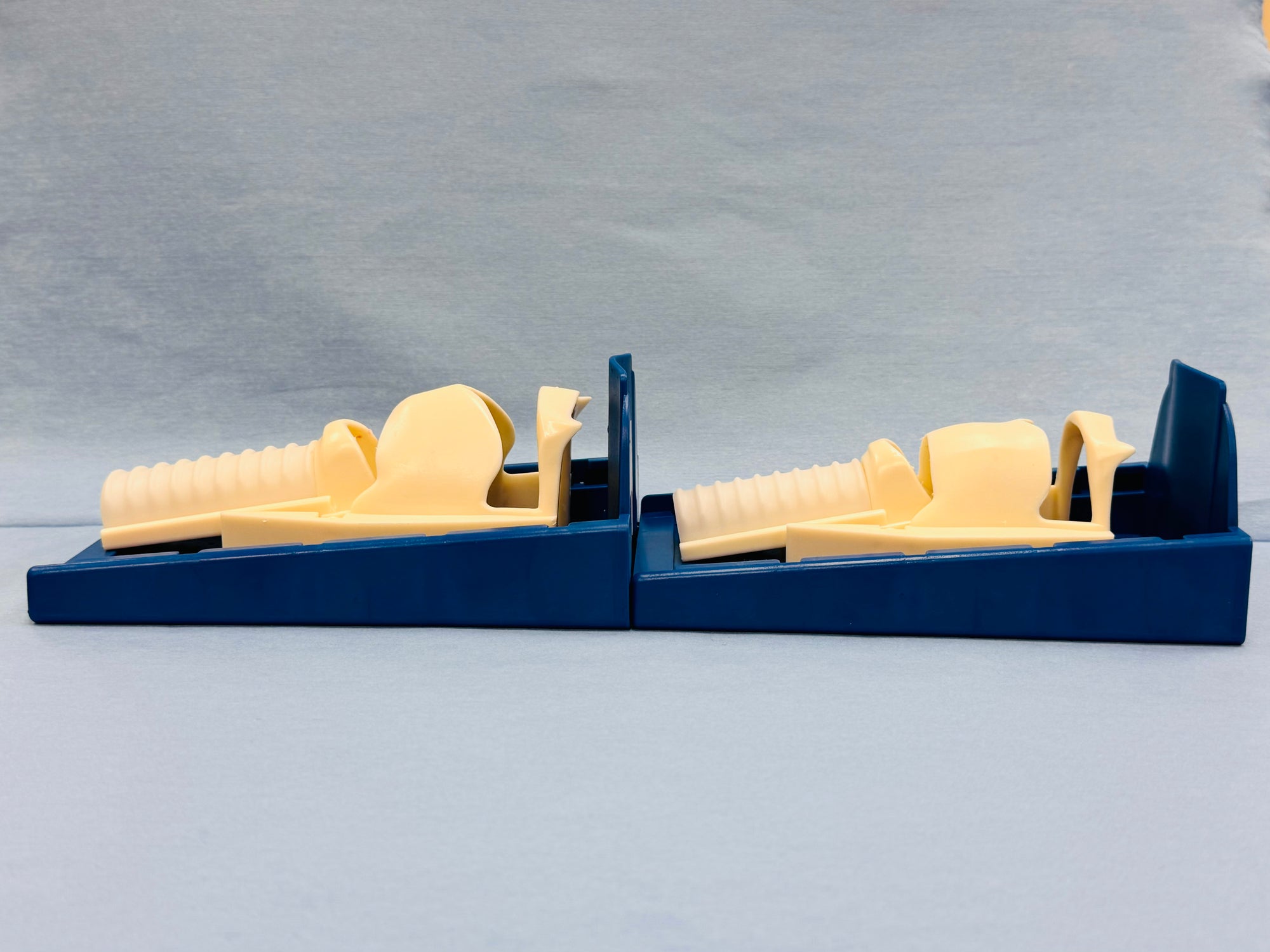
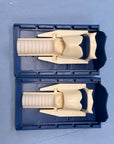
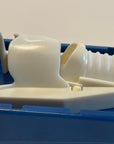
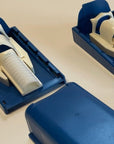
The only cricothyrotomy task trainer than comes in male & female larynxes. Full-featured. The lowest cost to purchase and use. Laterally mobile larynx with overlying skin permits the "laryngeal handshake." Integrated sternum permits practicing "sternal stabilization" of the scalpel hand.
* * * Patented & Trademarked* * *
European Patent 4556046B1
USA Patent US-20240358435

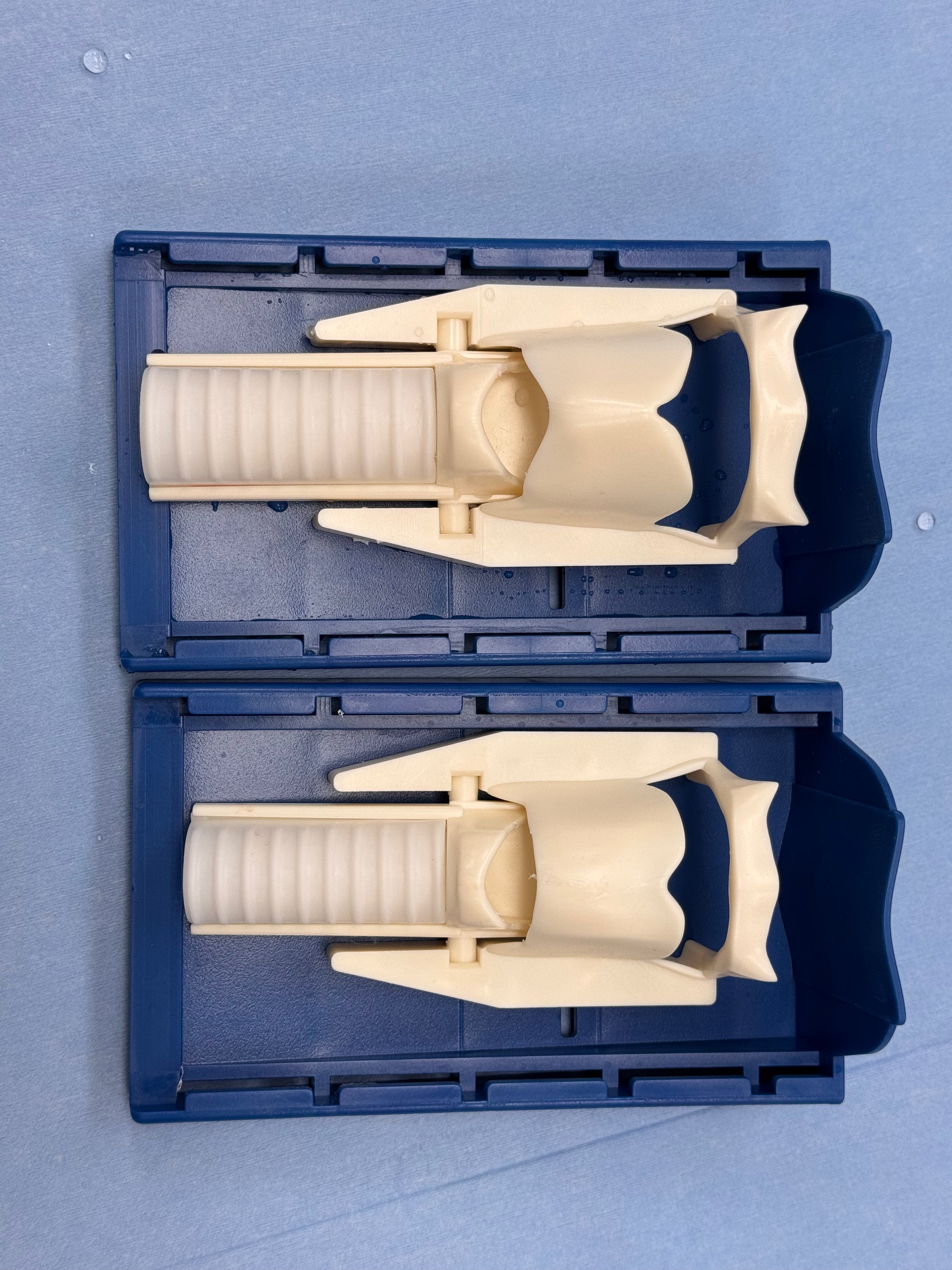
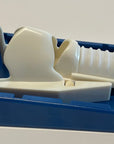
Demonstrates the “cartilaginous cage”, high back wall of the cricoid, and the thyroid-cricoid overlap. Superior and inferior cornu of the thyroid spans from hyoid to cricoid.

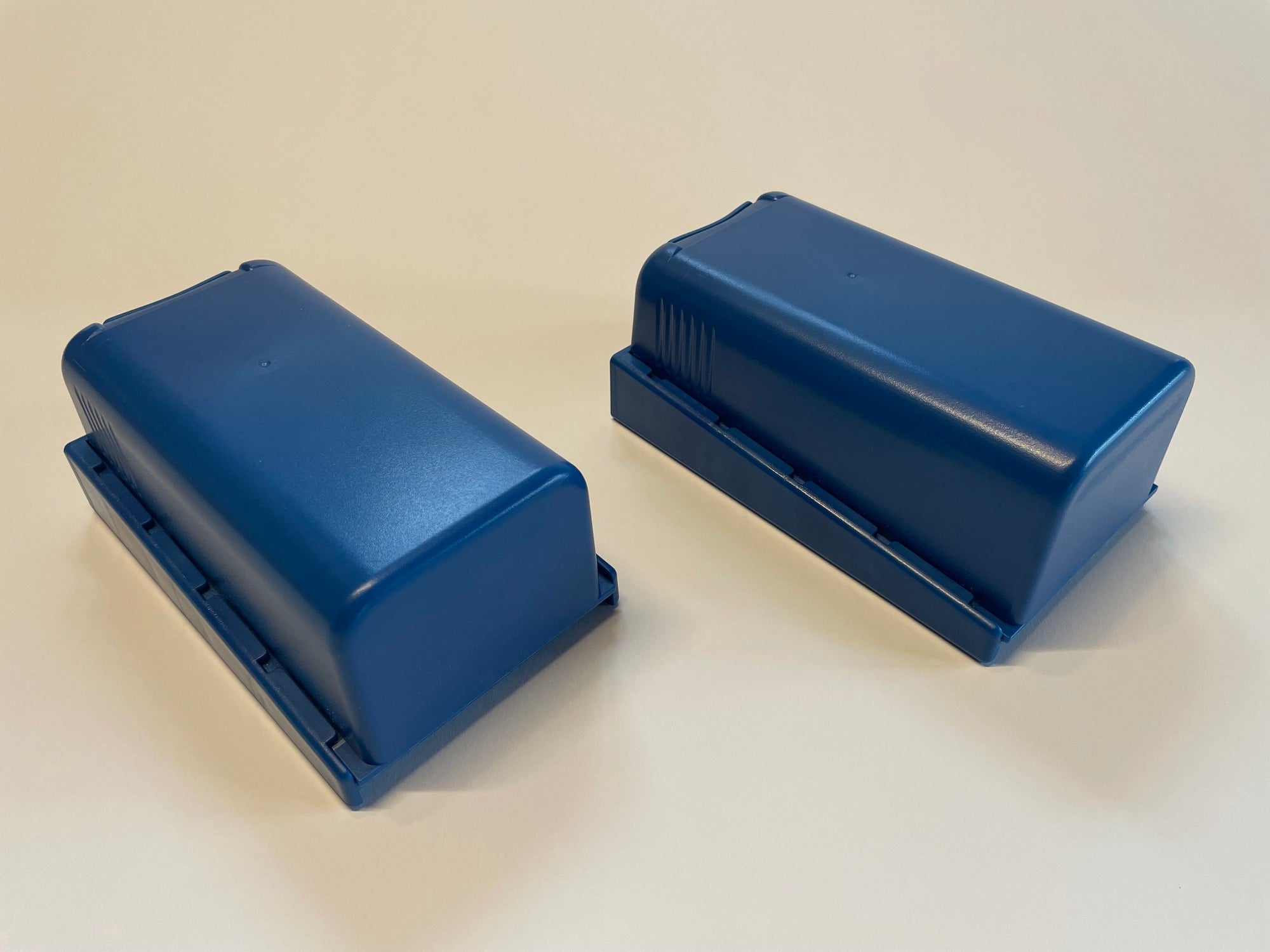
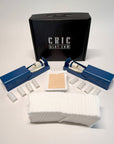
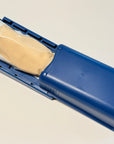
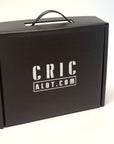
Each set is packaged in a briefcase style nylon box, with male and female models, 8 extra tracheas, 200 "skin" pouches and 200 cotton pads (which create the subcutaneous tissue layer).
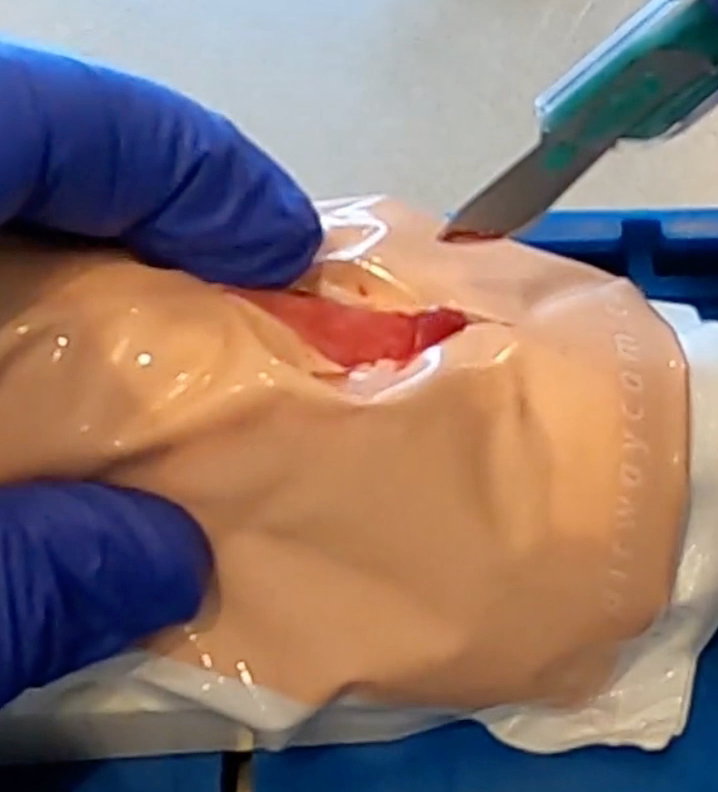
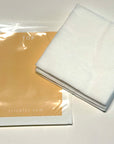
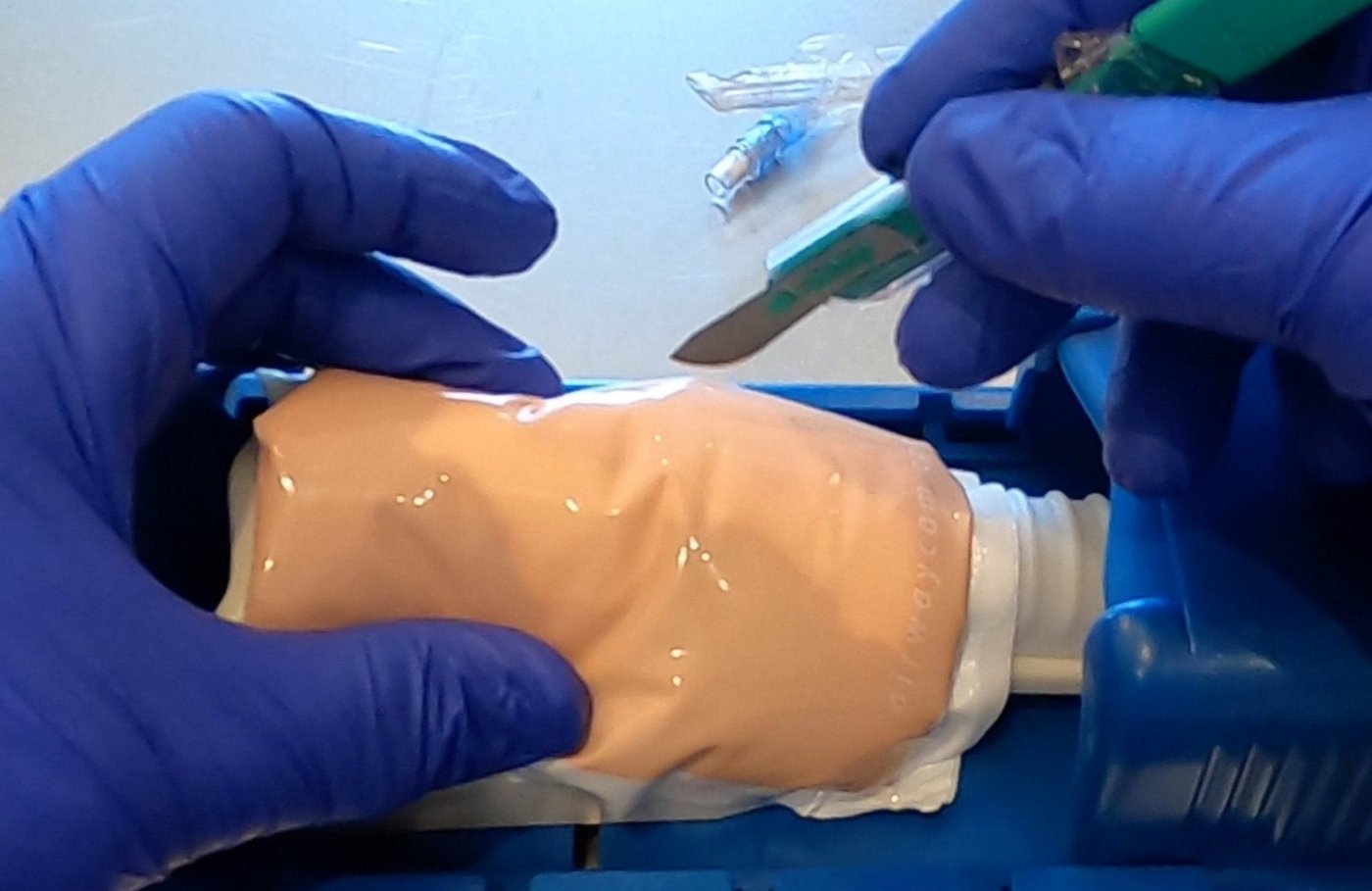
Cotton padding (pre-cut pads or cast padding; multiple layers to simulate obesity) is inserted inside the pouch. Fake blood can be added and sealed in the pouch. The backing on the pouch is removed and the adhesive layer applied to the model.

The thin top layer of the "skin" mimics highly mobile thin neck skin. The cast padding simulates subcutaneous tissue, and the adhesive backing on the pouch acts like the cricothyroid membrane.
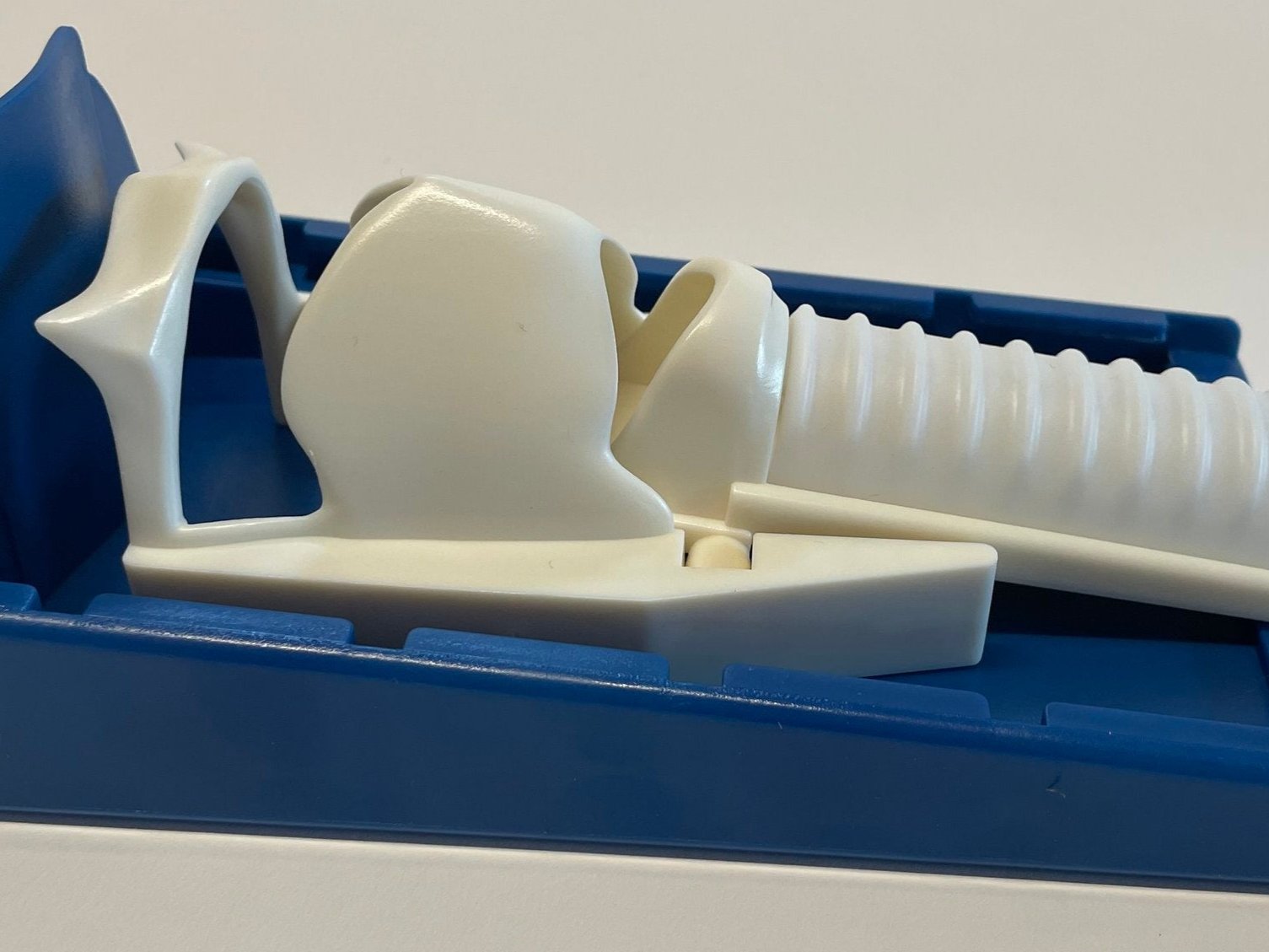
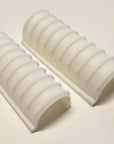
Trachea is distinguishable from the cricoid cartilage by its softer feel. The trachea has both external and internal rings (mimics actual anatomy).
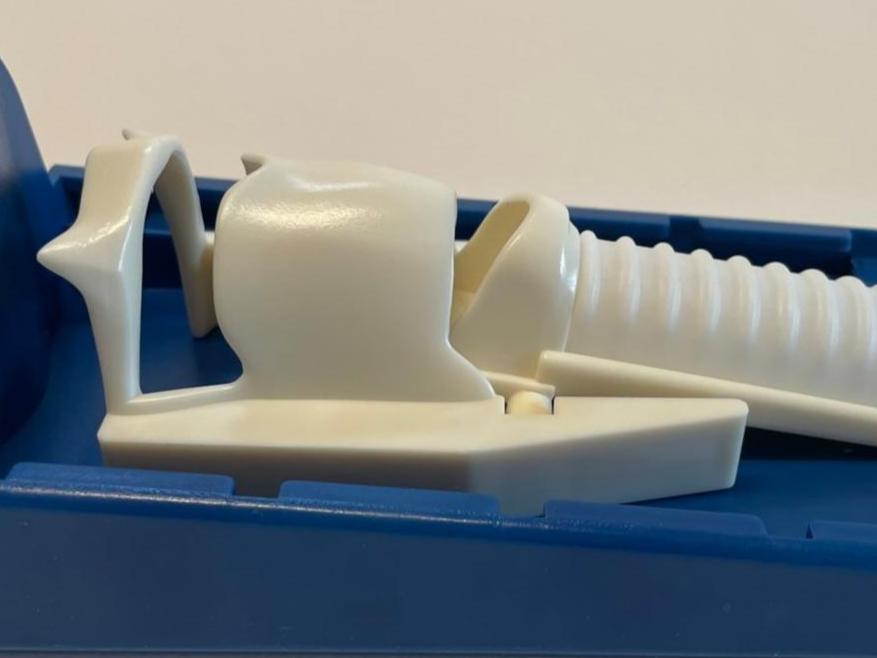
The smaller thyroid lamina come together at a less acute angle than the male thyroid. Female model is approximately 15% smaller than the male model. Soft durometer trachea, with rings and accurate length (~11cm).

Stabilization of the larynx and the operator's cutting hand are critical elements of the procedure; the sternum is integrated into the model. The larynx in each model moves laterally, from side to side.

Procedural fear around cricothyrotomy comes from a lack of understanding the anatomy of the "Cartilaginous Cage." When the scalpel penetrates the cricothyroid membrane the back wall porivides a hard stop.

Demonstrates the most common error of emergency cric which is over-insertion of the tracheal tube (beyond the 11 cm length of the trachea).

Scalpel moved to the right lateral edge of CTM stops at the thyroid-cricoid overlap. The inferior cornu of the thyroid overlaps the cricoid cartilage.
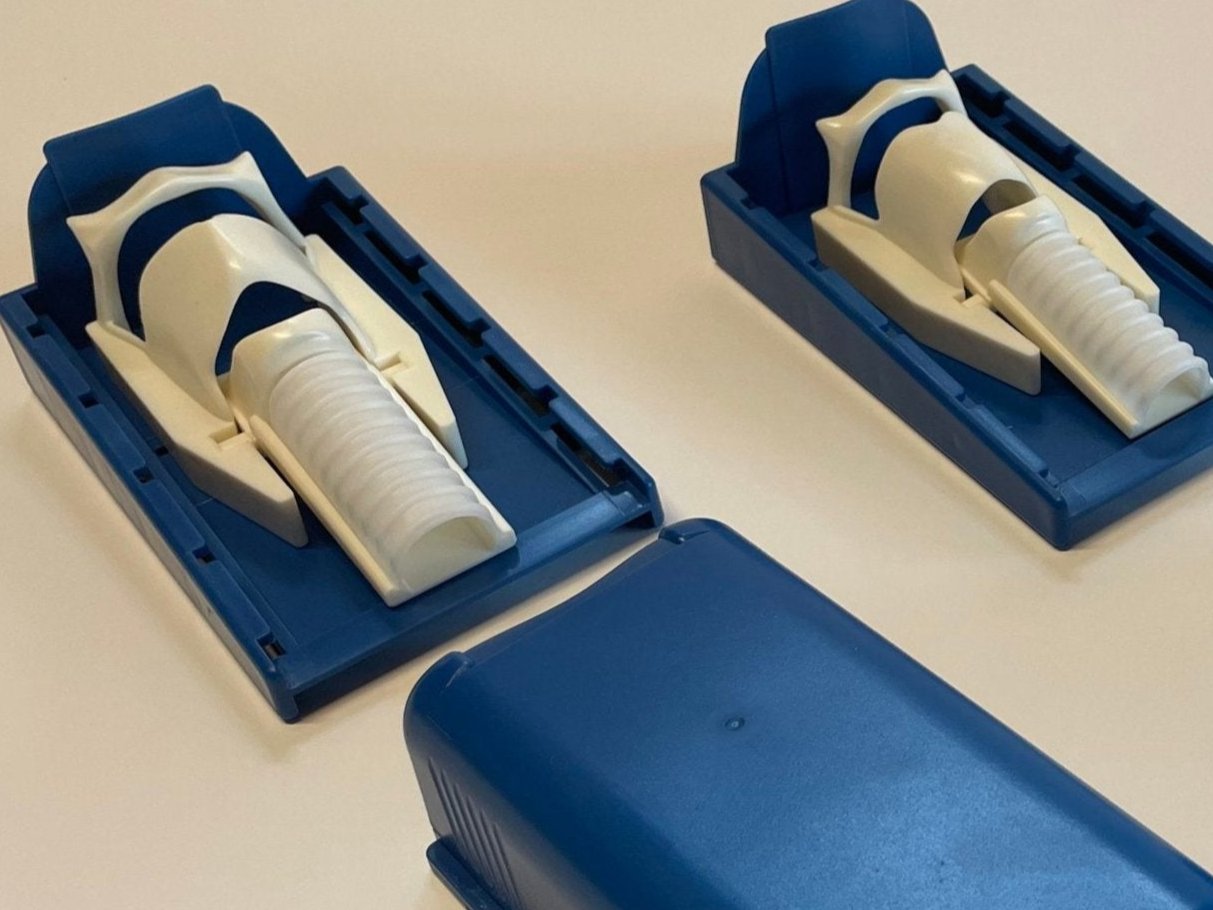
Each model (male and female) comes with four extra tracheas, in case they are damaged with use. Tracheas are easily replaced.

Small and portable, enabling 200 cric reps in any setting i.e. morning rounds, at air base, on med team deployments in any environment.
There's no secret to procedural competence; the steps to cric are simple, but they must be practiced--this model lets you CRIC-ALOT!
Crisis performance in high acuity low opportunity procedures requires proper procedural insight, an incrementalized approach designed to make the task easier, and repetition. 50-100 reps to mastering basic steps, repeated 20x per quarter to maintain muscle memory.
buy now